Your home is where you feel safest, but keeping it that way takes some effort. Smart home technology has become cheaper and much easier to set up, so you can now protect your home, your family and your belongings without paying for a professional installation or a big monthly contract.
Here are five practical ways technology can help keep your home safe, whether you're in the next room or on holiday.
1. See who's at the door with a smart doorbell
A video doorbell lets you see, hear and speak to whoever is at your front door from your phone, wherever you are. You can tell a courier where to leave a parcel, check a visitor before you open the door, and make it look like someone's home even when nobody is.
Many models record clips when they detect motion. That footage can help if you ever need to report an incident. They also put off opportunistic thieves, because a visible camera is often enough to make someone move on.
Tip: Check your doorbell's field of view so it covers your doorstep without recording your neighbours' property or the public street more than necessary.
2. Upgrade to smart locks and security cameras
A smart lock lets you lock and unlock your door from an app, give temporary access to a dog walker or tradesperson, and get an alert when someone comes in. No more wondering whether you locked up before leaving.
Indoor and outdoor security cameras add another layer. Put them at entry points like back doors, garages and ground-floor windows. Most will send an alert to your phone when they spot movement, so you'll know straight away if something isn't right.
3. Install smart smoke and carbon monoxide alarms
Standard alarms only help if someone is home to hear them. Smart smoke and carbon monoxide detectors send an alert to your phone the moment they go off, so you can act quickly even when you're away. That could mean calling the fire service or ringing a neighbour.
Many also warn you when the battery is low or the sensor is failing, so you're never left without protection. Fit one on every floor, plus a carbon monoxide alarm in any room with a gas boiler, fire or cooker.
4. Catch leaks early with water sensors
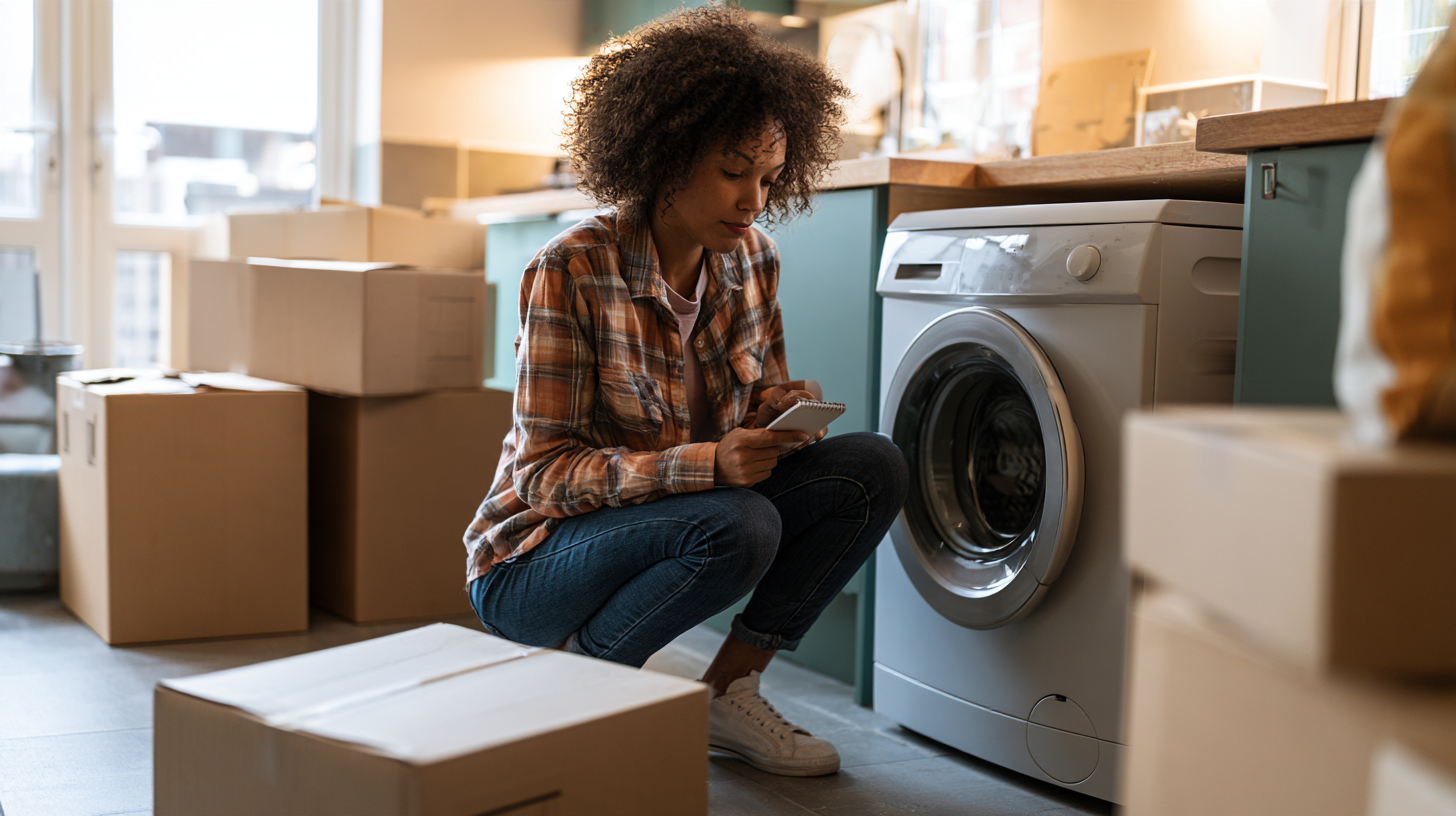
Escaped water is one of the most common causes of home damage, and it often starts with an appliance. A washing machine hose that works loose, a leaking dishwasher or a fridge water line can do a lot of damage before anyone notices.
Small, inexpensive leak sensors sit on the floor behind or under your appliances and alert your phone as soon as they detect water. Some systems can even shut off your water supply automatically. A few pounds spent here can save you from ruined floors, damaged ceilings and a stressful insurance claim.
5. Use smart plugs and lighting to stay in control
Smart plugs let you switch appliances on and off from your phone. If you've ever left the house wondering whether you turned off the hair straighteners or the iron, you can check and switch it off in seconds. Some plugs also monitor energy use, which can flag an appliance that's acting strangely.
Smart lighting helps too. Set lights to come on and off on a schedule while you're away, so your home looks occupied and is less of a target for burglars.
A final word: keep your tech secure
Smart devices are only as safe as the network they're on. To protect your home online as well as offline:
- Change default passwords and use a strong, unique one for each device
- Turn on two-factor authentication wherever it's offered
- Keep device apps and firmware updated
- Consider a separate Wi-Fi network for your smart home gadgets
Peace of mind, inside and out
Technology can do a lot to protect your home, but it works best alongside good habits and the right cover. Leak sensors and smart plugs lower the risk of appliance problems. Protecting the appliances themselves means that if something does go wrong, you're not left facing an unexpected repair bill.