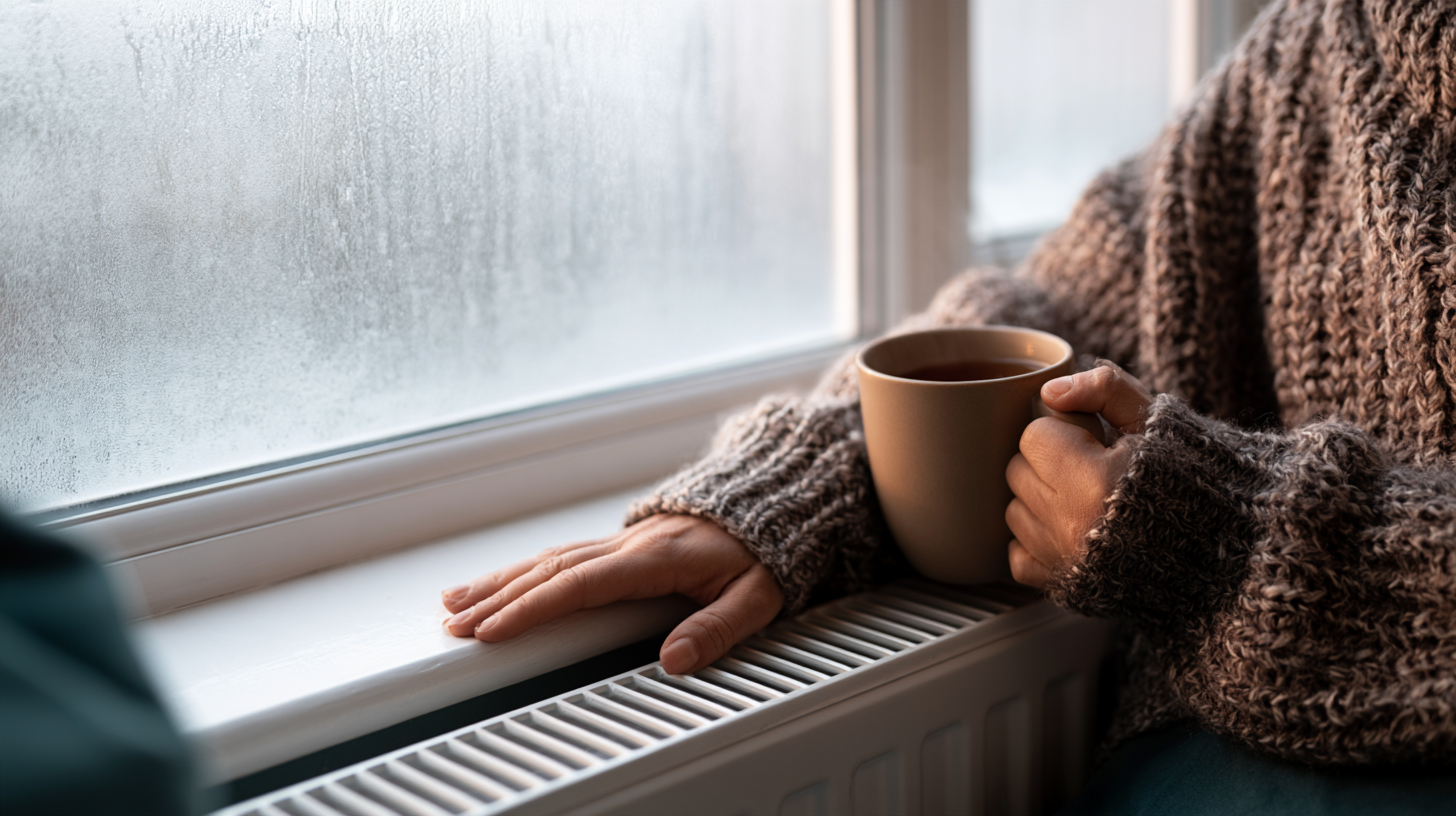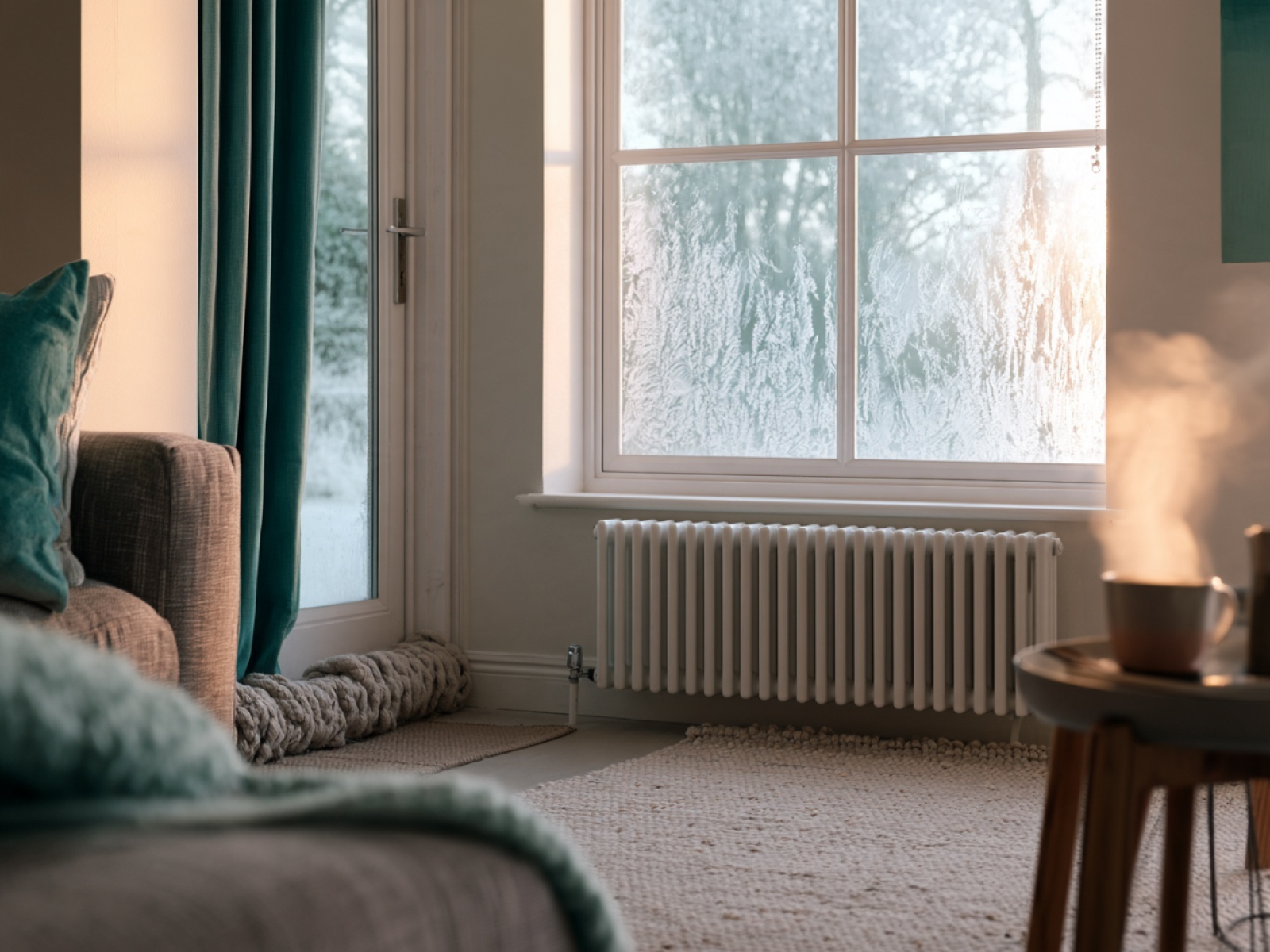
The first proper cold snap has a way of finding every weak spot in a home. A draught you never noticed in summer. A pipe in the loft that freezes overnight. A boiler that picks the coldest morning of the year to stop working.
The good news is that most winter problems can be prevented with a few simple jobs in the autumn. Here are three ways to winter proof your home before the temperature drops.
1. Keep the heat in
The cheapest heat is the heat you don't lose. Before you turn the thermostat up, find out where the warmth is escaping.
Block the draughts. Hold your hand near the edges of doors, windows, letterboxes and loft hatches on a windy day. If you feel cold air, it's worth sealing. Self-adhesive foam strips, brush seals for doors and a letterbox cover are all inexpensive and easy to fit yourself. A simple draught excluder at the bottom of a door works well too.
Check your loft insulation. A lot of heat escapes through the roof. The recommended depth for mineral wool loft insulation is around 270mm. If yours is thin or patchy, topping it up is one of the most effective improvements you can make.
Help your radiators work. Move sofas and furniture away from radiators so heat can circulate. Keep long curtains tucked behind them rather than draped over the top. Close curtains at dusk to keep warmth in, and open them on sunny days to let free heat through.
Don't forget unused fireplaces. An open chimney can pull warm air out of a room all day. A chimney balloon or draught stopper helps, but remove it before you light a fire.
2. Protect your pipes from freezing
When water freezes it expands, and that can split a pipe. The real damage often shows when the ice thaws and water pours into your loft, walls or ceilings. A few precautions go a long way.
Lag exposed pipes. Pipes in lofts, garages, cellars and outside walls are the most at risk. Foam pipe lagging from any DIY shop is cheap and slips straight on. Insulate your cold water tank in the loft too, if you have one.
Deal with outside taps. If you can, turn off the isolation valve for your outside tap, open the tap to drain it, and fit an insulated tap cover.
Know where your stopcock is. If a pipe does burst, turning off the water quickly limits the damage. Find your stopcock now (it's often under the kitchen sink), check it turns, and make sure everyone in the house knows where it is.
Keep the heating ticking over. If you're going away in winter, leave the heating on a low setting or use the frost protection mode on your thermostat. An empty, cold house is where frozen pipes happen.
Watch your boiler's condensate pipe. Most modern boilers have a small plastic pipe that carries waste water outside. In very cold weather it can freeze and shut the boiler down. If that happens, pour warm (not boiling) water over the outside section of the pipe, then reset the boiler following the manufacturer's instructions.
3. Check your boiler and appliances before the cold hits
Winter is the busiest time of year for heating engineers. If your boiler is going to struggle, you want to know in October, not in January when everyone else is calling for help.
Book a boiler service. An annual service by a Gas Safe registered engineer keeps your boiler running safely and efficiently, and helps catch small problems before they become breakdowns. Many manufacturers also require a yearly service to keep the warranty valid.
Turn the heating on early. Run your central heating for an hour or so before the cold weather arrives. It's a simple way to spot a fault while engineers are easier to book.
Check the pressure and bleed your radiators. Look at the pressure gauge on your boiler. For many combi boilers it should sit between about 1 and 1.5 bar when the system is cold, but check your manual. If a radiator is cold at the top and warm at the bottom, it needs bleeding to let trapped air out.
Test your carbon monoxide alarm. With heating running more often, make sure you have a working CO alarm near your boiler and any other fuel-burning appliances.
Give your appliances a winter check. Your kitchen works harder in winter too, with more cooking, more washing and more drying indoors.
- Tumble dryer: clean the lint filter after every load and check the vent hose isn't blocked or kinked.
- Washing machine: clean the filter and detergent drawer to keep it draining properly through heavier winter loads.
- Fridge freezer in a garage or outbuilding: many models aren't designed to work in very low temperatures. Check your manual, or look for a "garage-ready" model if you keep one outside.
- Oven and hob: give them a clean and check every ring and element works before the Christmas cooking starts.
Your quick winter checklist
☐ Seal draughts around doors, windows and letterboxes
☐ Check loft insulation depth (around 270mm)
☐ Move furniture away from radiators
☐ Lag exposed pipes and the loft water tank
☐ Drain and cover your outside tap
☐ Find and test your stopcock
☐ Book a boiler service with a Gas Safe registered engineer
☐ Check boiler pressure and bleed radiators
☐ Test your carbon monoxide alarm
☐ Clean appliance filters and check garage appliances
The bottom line
Winter proofing doesn't take a big budget or a whole weekend. Keep the heat in, protect your pipes, and check your boiler and appliances early. You'll stay warmer, spend less on heating, and cut the chances of a breakdown on the coldest day of the year.
Even a well-prepared home can have a breakdown when the cold hits. With Domestic Appliance Guard, you can protect your kitchen appliances from just £3.50 a month.
Get your free appliance cover quote →
Are you a landlord? Take a look at our Landlord Cover, which keeps your rental protected through the winter months.